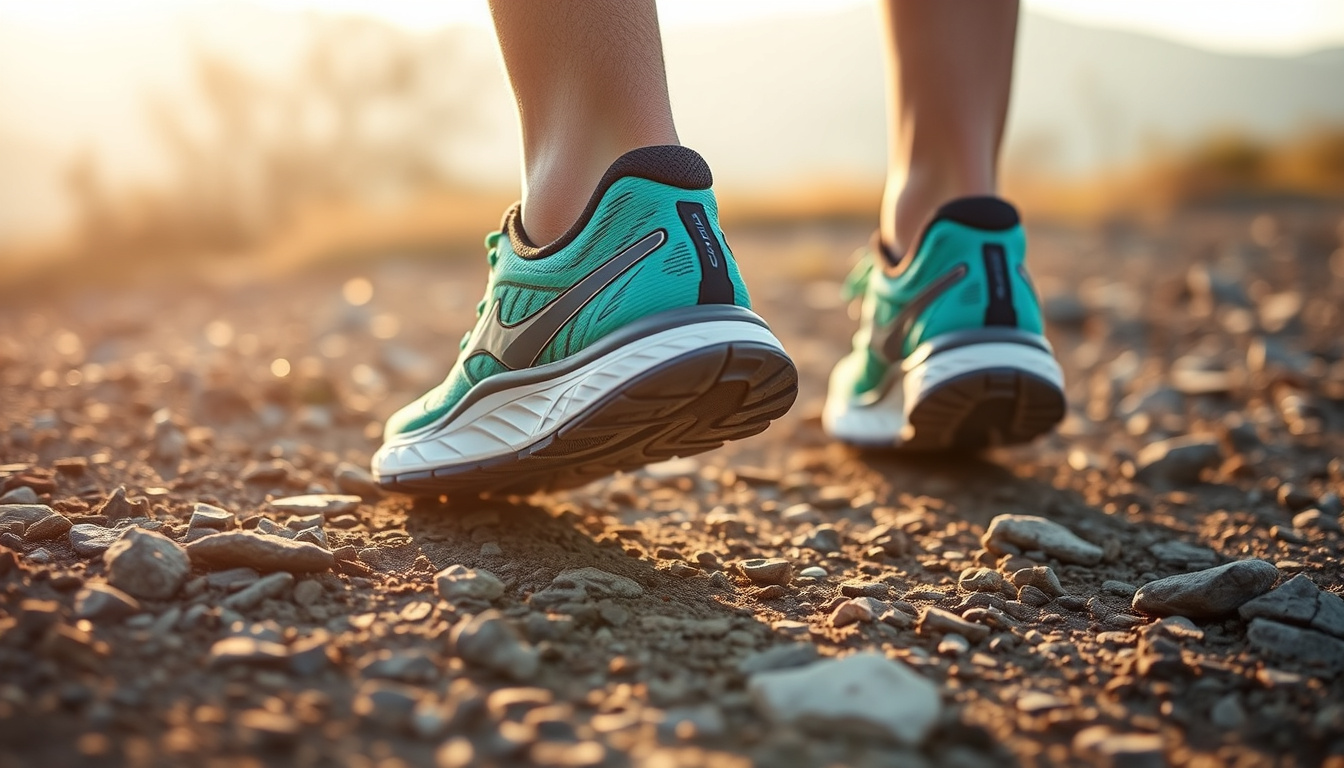
If you’ve ever finished a run with aching knees, you know how much the right shoe can change everything. The Brooks Adrenaline GTS 24 brings 24 generations of refinement to the stability category, and this latest version leans hard into podiatrist-friendly design — specifically GuideRails technology that aims to keep your whole leg balanced, not just your foot. Here’s what the reviews and specs tell us about whether it actually delivers.
Support Type: GuideRails stability · Cushioning: Soft · Best For: Heel strikers · Available Widths: Multiple · Key Feature: Breathable mesh
Quick snapshot
- 24 generations of refinements (Training Plan)
- 12mm heel-to-toe drop (Runners World)
- DNA Loft v3 midsole foam (Runners World)
- Whether full podiatrist consensus exists on knee pain claims
- Exact long-term durability data across varying terrains
- Replaces GTS 23 (2023) with updated mesh and softer midsole (Alexandra Sports)
- GTX waterproof variant available alongside standard model (Brooks Running Official)
- Comparison with GTS 25 expected as 2024-2025 lineup evolves
- Continued refinement of GuideRails positioning
| Attribute | Value |
|---|---|
| Support System | GuideRails |
| Cushioning Type | Soft |
| Upper Material | Breathable mesh |
| Ideal User | Heel strikers needing stability |
| Heel-to-Toe Drop | 12mm |
| Men’s Weight (size 9) | 10 oz (283g) |
| Women’s Weight (size 8.5) | 8.8 oz (255g) |
| Heel Height | 36mm |
| Forefoot Height | 24mm |
| Midsole Foam | DNA Loft v3 |
What are Brooks Adrenaline GTS 24 good for?
The Adrenaline GTS 24 is a workhorse stability shoe built for daily training, long runs, and casual jogs. Brooks has refined the art of supportive running shoes over 24 generations, and this model channels that experience into steady support and comfort for runners who need structure without sacrificing cushioning.
Daily training
For runners logging 15–60 miles per week who need reliable stability, the GTS 24 delivers a lightweight soft cushioning experience that holds up over repeated use. The DNA Loft v3 nitrogen-infused foam midsole offers a responsive yet controlled cushion that feels springy and bouncy while being firm enough to provide stability. The engineered mesh upper features oversized vents for excellent breathability, making it comfortable across varying temperatures.
Long runs
Heel strikers in particular benefit from the generous 39mm heel stack and 12mm drop for excellent impact protection. The 12mm heel-to-toe drop offers a traditional, generously sloped platform to take pressure off the heel and disperse it towards the forefoot. According to Brooks Running, the Adrenaline GTS is a great option to help relieve plantar fasciitis because of this drop geometry.
Casual jogs
The GuideRails system acts as bumpers that keep excessive motion in check without interfering with natural movement patterns. This means recreational runners get the stability they need without the shoe feeling rigid or restrictive during shorter, lower-intensity sessions.
The pattern is clear: this is a shoe designed for volume and durability rather than race-day speed.
Who should wear Brooks Adrenaline GTS 24?
The Adrenaline GTS 24 remains one of the easiest recommendations for heel strikers needing stability, according to RunRepeat (specialist running shoe review platform). But that breadth of appeal comes with specific audience segments in mind.
Heel strikers
Runners who naturally land on their heels get the most from this shoe’s 36mm heel height and structured platform. The GuideRails and medial post work together to prevent excessive inward roll (overpronation) during the landing phase, keeping the entire leg more neutral and balanced.
Overpronators
GuideRails technology helps control excess inward rolling, a common issue for flat-footed runners. The system provides support both in the foot and in the knee, keeping the whole leg more neutral and balanced — not just correcting foot position.
Stability seekers
The Adrenaline GTS 24 is a moderate stability shoe ideal for those needing structure or mild pronation control. The removable insole makes the Brooks Adrenaline GTS 24 accommodating for orthotics, adding another layer of customization for runners with specific arch support needs.
What this means: the shoe trades some of the Ghost line’s neutrality for a more guided, supportive ride — the right choice if you experience any knee or hip discomfort during longer runs.
Is Brooks Adrenaline good for knee pain?
This is where the Adrenaline GTS 24 draws the most attention from healthcare professionals and runners dealing with chronic lower-leg discomfort. The shoe’s stability architecture specifically targets knee alignment.
Support for knee issues
Guide rails are denser pieces of foam on the medial and lateral sides to lessen erratic knee movement starting from the foot up, according to Runners World (established gear testing publication). The Adrenaline GTS 24 provides support both in the foot and in the knee, keeping the whole leg more neutral and balanced — a meaningful distinction from stability shoes that only address foot position.
Expert opinions
Multiple foot and ankle specialist reviews on YouTube highlight the Adrenaline GTS 24’s effectiveness for runners experiencing knee pain from overpronation. According to Brooks Running (manufacturer official site), GuideRails technology helps control excess inward rolling, directly addressing the biomechanical chain that leads to knee strain in many runners.
Runners with patellofemoral pain or IT band issues tied to overpronation may find the GuideRails system reduces their discomfort by correcting the source of the problem at the foot, rather than masking symptoms with cushioning alone.
The catch: while the engineering is sound, individual results vary, and the shoe is not a substitute for gait analysis or physical therapy when knee pain is already present.
Do podiatrists recommend Brooks Adrenaline?
Podiatrists and foot specialists provide clinical validation of the shoe’s knee pain relief and stability features in multiple video reviews, though formal clinical studies specifically on the GTS 24 remain limited.
Arch support recommendations
The Brooks Adrenaline GTS 24 helps protect from plantar fasciitis and alleviates stress to the plantar fascia, according to RunDNA (running shoe specialist outlet). The 12mm drop from heel to toe reduces strain on the plantar fascia during the gait cycle, making it a practical choice for runners recovering from or prone to this common injury.
Podiatrist views
Foot and ankle specialist reviews consistently highlight the Adrenaline GTS line as a go-to recommendation for patients needing supportive daily trainers. The shoe’s combination of accessible pricing, durable construction, and proven stability geometry makes it an easy entry point for podiatrists recommending their first structured running shoe.
The trade-off: for severe overpronation or specific biomechanical issues, custom orthotics combined with professional gait analysis may be necessary beyond what the stock Adrenaline configuration provides.
Is there a difference between Brooks Adrenaline GTS 24 and 25?
As Brooks transitions its lineup, understanding what changed between generations helps buyers make informed decisions — especially when pricing and availability vary by market.
Key updates
GTS 24 has a softer midsole compared to GTS 23, giving it a smoother feel as you roll through your stride. The updated DNA Loft v3 midsole offers a firmer yet more responsive feel compared to previous versions, striking a balance between cushioning and feedback.
| Specification | GTS 24 | GTS 23 |
|---|---|---|
| Men’s Weight | 283g | 286g |
| Women’s Weight | 255g | 258g |
| Midsole Feel | Softer | Firmer |
| Upper | Updated engineered mesh | Standard mesh |
| Outsole | Refined flex grooves | Segmented crash pad |
The implication: if you found the GTS 23 slightly stiff during longer runs, the softer midsole and more flexible upper in the GTS 24 address that complaint directly.
Model evolution
GTS 24 features updated engineered mesh with more stretch and breathability compared to GTS 23. GTS 24 has refined flex grooves in the outsole compared to GTS 23’s segmented crash pad — a change that improves flexibility without sacrificing durability.
Brooks Adrenaline GTS 25 is expected in the 2024-2025 lineup, but for now, the GTS 24 represents the current generation with the most refined cushioning setup. Buyers in regions like Ireland should check local retailer availability, as stock of the GTS 23 may persist at discounts.
Brooks Adrenaline GTS 24 vs. Hoka
A common question among runners choosing between stability options: how does Brooks stack up against Hoka, the other dominant player in the cushioned stability category?
| Feature | Brooks Adrenaline GTS 24 | Hoka Stability Models |
|---|---|---|
| Stability System | GuideRails (holistic leg alignment) | J-Frame (medial posting) |
| Heel-to-Toe Drop | 12mm (traditional) | 4-5mm (minimal) |
| Cushioning Feel | Soft but controlled | Maximum cushion, plush ride |
| Best For | Heel strikers, overpronators | Forefoot/midfoot strikers |
| Weight | 10 oz men / 8.8 oz women | Typically heavier |
The implication: Hoka’s maximalist cushioning appeals to runners prioritizing impact absorption, while Brooks’ more traditional geometry and GuideRails system serve heel strikers who want stability without the “sinking” feel of thicker soles.
Brooks Adrenaline GTS 24: Pros and Cons
Upsides
- GuideRails provides holistic leg stability, not just foot correction
- DNA Loft v3 delivers responsive cushioning without sacrificing support
- 12mm drop accommodates heel strikers and plantar fasciitis sufferers
- Removable insole accommodates custom orthotics
- Available in multiple widths for different foot shapes
- GTX waterproof variant available for wet conditions
Downsides
- Not ideal for forefoot strikers who prefer lower drops
- Moderate stability may be insufficient for severe overpronators
- Some runners report break-in period for GuideRails fit
- Heavier than some neutral alternatives in the Brooks lineup
What We Know vs. What’s Uncertain
Confirmed
- GuideRails system provides stability through dual-density foam rails
- DNA Loft v3 nitrogen-infused foam midsole
- 12mm heel-to-toe drop confirmed across multiple sources
- Multiple variants: standard, GTX waterproof, wide widths
- 24 generations of Adrenaline lineage
Uncertain
- Whether GTS 25 has entered production or is announced
- Exact podiatrist consensus on knee pain reduction claims
- Long-term durability data across different running surfaces
What the Experts Say
Adrenaline GTS 24 remains one of the easiest recommendations for heel strikers needing stability. The updated DNA Loft v3 midsole offers a firmer yet more responsive feel.
— RunRepeat (specialist running shoe review platform)
Guide rails are denser pieces of foam on the medial and lateral sides to lessen erratic knee movement starting from the foot up. The Adrenaline GTS 24 provides support both in the foot and in the knee.
— Runners World (established gear testing publication)
Stay confident on every mile with steady support. Brooks Adrenaline GTS is a great option to help relieve plantar fasciitis because of its 12mm drop from heel to toe.
— Brooks Running (manufacturer official site)
For runners dealing with knee pain from overpronation, the Brooks Adrenaline GTS 24 is worth serious consideration — but get your gait analyzed first. The GuideRails system addresses a real biomechanical problem, and the 12mm drop genuinely helps heel strikers and plantar fasciitis sufferers. That said, if you strike with your forefoot or have neutral biomechanics already, you’ll pay for stability you don’t need. The decision is clear: try them at a specialty running store if possible, or buy from a retailer with free returns if you’re uncertain.
Frequently asked questions
Which is better, Brooks or Hoka?
It depends on your gait and priorities. Brooks excels for heel strikers needing traditional 12mm drop and holistic GuideRails stability. Hoka offers maximalist cushioning preferred by some forefoot strikers. Neither is universally better — test both if possible.
Are Hokas or Brooks better for knee pain?
Brooks GuideRails specifically targets knee alignment by addressing overpronation at the source. Hoka’s cushioning reduces impact forces but uses different stability geometry. Runners with knee pain from overpronation often benefit more from Brooks’ structured approach.
What do podiatrists think of Brooks shoes?
Podiatrists frequently recommend Brooks Adrenaline for patients with plantar fasciitis, overpronation, or knee pain. The 12mm drop, GuideRails support, and accommodating orthotic-compatible insole make it a practical clinical recommendation.
Which Brooks shoe is right for me?
Choose Adrenaline GTS for stability and overpronation control. Choose Ghost for neutral cushioning. Choose Glycerin for maximum cushioned comfort. Your gait pattern, injury history, and preferred drop determine the best fit.
Is Brooks Adrenaline GTS 24 available in Ireland?
Yes, Brooks products are widely available in Ireland through specialty running retailers and major online platforms. Check local availability for specific colorways and width options.
What is Brooks Adrenaline GTS 24 GTX?
GTX refers to the Gore-Tex waterproof membrane version of the GTS 24. It provides the same stability and cushioning but with water-resistant upper protection — ideal for wet-weather running or trail conditions.
Related reading: Brooks Adrenaline GTS 24 Review (Runner’s World) · GuideRails Technology (Brooks Official)
blog.alexandrasports.com, youtube.com, youtube.com, youtube.com, rununited.com
Podiatrists highlight the Brooks Adrenaline GTS 24’s GuideRails system, much as this detailed German test confirms its reliability for overpronators battling knee pain.

Rachel Bennett leads fact-checking, source verification and corrections at Coast Monitor.