
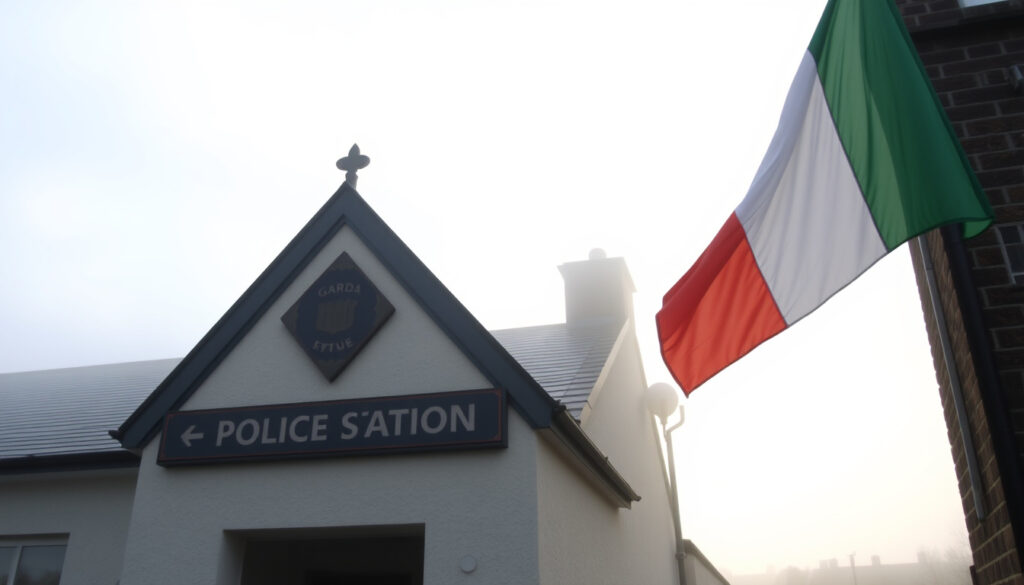
If you’ve ever wondered whether to call 999 for a stolen bike or where to report something that doesn’t feel like an emergency, you’re not alone. Many people in Ireland find themselves unsure about the right way to reach the Gardaí for non-urgent matters.
Emergency Number: 999 or 112 · Garda Confidential Line: 1800 666 111 · Non-Emergency Reporting: Local Garda station or online · Crime Victims Helpline: 116 006
Quick snapshot
- Dial 999 or 112 for emergencies (Garda Emergency Numbers)
- 112 works across all EU member states free of charge (Dublin Emergency Guide)
- No single national non-emergency Garda phone number; contact routes vary by station (Dublin Station Finder)
- Regional Control Centres handle roughly 5,000 calls daily (Garda Control Centres)
- Online reporting options expanding for low-value theft declarations
| Contact | Number / Resource |
|---|---|
| Primary Emergency Number | 999 or 112 |
| Garda Confidential Number | 1800 666 111 |
| Crime Victims Helpline | 116 006 |
| Report Online | garda.ie |
| Tourist Assistance Service | 1890 365 700 |
| Store Street Garda Station (Dublin) | 00 353 (1) 661 0562 |
| Pearse Street Garda Station (Dublin) | 00 353 (1) 666 9000 |
How do I contact Ireland police?
An Garda Síochána — commonly called the Gardaí — is the police service of the Republic of Ireland. Reaching them is straightforward once you know whether your situation counts as an emergency. The Garda website’s official guidance makes this distinction clear for every contact method.
Emergency contacts
For genuine emergencies — defined as situations where life, health, property, or the environment is in immediate danger — dial 999 or 112. Both numbers connect to the same emergency dispatch centre, and 112 works free of charge across all EU member states. When you call, the operator will ask which service you need (Gardaí, ambulance, or fire) and will request your address, preferably with your Eircode.
Non-emergency options
For non-urgent matters, the primary route is contacting your nearest Garda station directly. You can walk in without an appointment, though calling ahead is recommended for sensitive cases. The Dublin.ie guide notes that non-emergency and general enquiries are directed to the local station, with contact details available on the Garda website.
Is it 112 or 999 in Ireland?
Both 112 and 999 are fully operational in the Republic of Ireland and connect to the same emergency services. The key difference lies in their geographic reach and user familiarity.
When to use 112
112 is the EU-standard emergency number, reachable free of charge in all 27 EU member states and several other countries. If you’re travelling abroad and find yourself needing emergency help, 112 will transfer you to local services. For anyone already in Ireland, 112 works identically to 999.
When to use 999
999 is the traditional emergency number in Ireland and the United Kingdom. It functions exactly like 112 within the Republic. Emergency dispatchers are equally prepared to receive calls on either line, and response time priority is identical.
Your best move in a genuine emergency is to call whichever number you reach first — both routes lead to the same response centre.
What is my local police non-emergency line?
Unlike some countries with a dedicated 101-style non-emergency line, Ireland routes non-urgent police contact through individual Garda stations. The approach requires knowing your nearest station’s direct number or using the online station finder.
Finding local Garda stations
The Garda website offers a station finder where you can search by county or region. Dublin.ie provides specific examples: Store Street Garda Station handles non-emergency calls at 00 353 (1) 661 0562, while Pearse Street Garda Station can be reached at 00 353 (1) 666 9000. For other areas, the Limerick Council guidance directs residents to contact their nearest local Garda station for non-emergency reports.
Online reporting alternatives
For specific low-value crimes, online options exist. The Tourist SOS service allows online theft declarations when the estimated value is ≤ €1,000. General online crime reporting for other matters redirects to your local Garda station as the primary intake point.
Online reporting scope is limited. Anything beyond simple theft under €1,000 still requires direct station contact, so plan accordingly.
How to contact local police for non-emergency?
Whether you prefer speaking face-to-face, making a phone call, or using a confidential tip line, the Gardaí offer multiple channels for non-emergency contact. Each suits different needs — here’s how to choose.
Steps to call local station
To report a non-urgent crime, locate your nearest station’s number through the Garda website. Call during station hours, explain the nature of your report, and the desk officer will advise on next steps. According to the Crime Victims Helpline guidance, you can request a male or female Garda, bring a support person, or arrange an appointment for sensitive matters.
Confidential reporting
For anonymous tips or situations where you don’t want to report directly, the Garda Confidential Line at 1800 666 111 allows you to share information without identifying yourself. This service is designed for community safety tips where anonymity matters.
The 1800 666 111 confidential line removes a barrier for witnesses or victims who fear retaliation. It’s a direct channel to Garda intelligence, not a replacement for formal reporting when you need a crime reference number.
What is 353 1 666 8000?
The prefix 353 1 666 8000 relates to Dublin’s emergency helpline routing, though the specific number varies depending on the service. Understanding the Dublin-specific contact structure helps clarify which route applies to your situation.
Dublin-specific helplines
Dublin stations use the +353 1 international prefix followed by local six-digit numbers. Pearse Street Garda Station at 00 353 (1) 666 9000 serves as a primary Dublin contact point. Ireland.com’s emergency contacts page notes that the Tourist SOS service runs from Pearse Street Garda Station at Dublin 2, D02 W289, with a dedicated phone line at +353 1 661 0562 and WhatsApp at +353 87 47 69 402 for multilingual support.
Other useful numbers
Beyond emergency contacts, several specialist lines serve specific needs. The Crime Victims Helpline at 116 006 offers advice before you file a report. The Tourist Assistance Service at 1890 365 700 provides multilingual support for crime victims who don’t speak English fluently — the Gardaí also offer free translation services during formal reporting.
Dublin has the most contact options, including multilingual support and a dedicated Tourist SOS unit. Rural areas rely more heavily on local station contact, making the Garda station finder especially important outside the capital.
How do I report a crime online to Garda?
Online reporting is available for specific crime types, though the scope remains narrower than in-person options. The process is designed for straightforward cases where no immediate investigation is needed.
- Visit garda.ie and navigate to the online reporting section
- Select the crime type — online declarations currently cover theft where the value does not exceed €1,000
- Provide incident details including date, location, description, and estimated value
- Submit the form to receive a reference number by email
- For crimes above €1,000 or cases requiring investigation, contact your local Garda station directly
The Tourist SOS service offers a parallel online declaration route for tourists, with a simpler form tailored to incidents involving visitors. After submission, you can request a formal Garda report or Tourist SOS Report for insurance purposes.
When should I use the confidential line?
The Garda Confidential Line at 1800 666 111 exists for situations where you have information about criminal activity but don’t want to identify yourself. It’s intelligence-driven, not report-driven — meaning you won’t receive a crime reference number.
Use it when you’ve witnessed something suspicious, know about ongoing criminal activity in your area, or have information about crimes committed in the past. The line connects to Garda specialists who assess tips and decide whether to initiate an investigation.
Don’t use the confidential line to report crimes you’ve experienced as a victim — for that, you need a formal station report to get a reference number for insurance or legal purposes.
What about Northern Ireland?
Northern Ireland operates under a different police service — the Police Service of Northern Ireland (PSNI). Emergency contact there is 999 only. The PSNI handles all police matters within Northern Ireland, and their emergency response operates independently of the Republic’s Gardaí.
For crime victims in Northern Ireland, Victim Support NI offers assistance at +44 (0) 28 90 244039. Cross-border crime reporting can be initiated at any Garda station in the Republic, which will forward reports to the appropriate jurisdiction — whether that’s another Irish county, Northern Ireland, or other EU countries.
Accessibility and language support
The Gardaí provide several accommodations to ensure reporting is accessible to everyone. Deaf, hard of hearing, or speech-impaired individuals can report emergencies via SMS to 112 — this service is available specifically for genuine emergencies requiring Garda response.
For non-English speakers, the Gardaí provide free translation services during formal interviews. The Tourist Assistance Service at 1890 365 700 offers multilingual crime victim support, and the Tourist SOS service at Pearse Street provides dedicated English-language assistance for international visitors dealing with crime in Ireland.
SMS-to-112 is only for emergencies. For non-emergency reporting, you’ll need to arrange alternative accommodation through your local station — call ahead to ensure support is available when you arrive.
Key numbers at a glance
Five contact methods cover the full range of Garda interactions, from immediate emergencies to anonymous tips.
| Situation | Contact | Number |
|---|---|---|
| Immediate danger, crime in progress | Emergency (Garda, ambulance, fire) | 999 or 112 |
| Non-emergency crime report | Local Garda Station | Varies by station (check garda.ie) |
| Anonymous tip | Garda Confidential Line | 1800 666 111 |
| Crime victim support | Crime Victims Helpline | 116 006 |
| Low-value theft (≤€1,000) | Online declaration | garda.ie |
Upsides
- 999 and 112 both work identically for emergencies
- Confidential line enables anonymous community tips
- Local stations handle forwarding to appropriate jurisdiction
- Multilingual support available through dedicated services
Downsides
- No single national non-emergency number — must find local station
- Online reporting scope limited to theft ≤€1,000
- SMS emergency reporting only available for 112 calls
- Rural areas have fewer direct contact options than Dublin
Garda.ie (Official Police Service) states that in an emergency you should always dial 999 or 112, using this service if a crime or incident is happening now or if anyone is in immediate danger.
Dublin.ie (City Guide) clarifies that you should only call 999 or 112 in genuine emergencies — when someone’s life, health, property, or the environment is in danger.
For anyone in Ireland needing to reach the Gardaí, the system rewards preparation over improvisation. Memorise 999 or 112 for emergencies, save your local station number for non-urgent reports, and keep the confidential line in mind if you ever witness something worth reporting anonymously. Tourists have the additional comfort of dedicated multilingual support through the Tourist Assistance Service and Tourist SOS. The right call depends on the situation — now you know exactly which one to make.
Related reading: Child Care in Ireland: Subsidies, Daycare & Costs · School Terms 2025: Ireland Dates & Holidays Guide
limerick.ie, wp.crimevictimshelpline.ie, en.wikipedia.org, ireland.com, touristsos.ie
For non-emergency reports at a Garda station, the nearest Garda station finder makes locating your closest one straightforward and quick.
Frequently asked questions
How do I report a crime online to Garda?
Online reporting is available for theft where the estimated value is €1,000 or less. Visit garda.ie, select the crime type, fill in the details, and receive a reference number by email. For higher-value crimes or cases needing investigation, contact your local Garda station directly.
What is the Garda number for Dublin?
Dublin has multiple station numbers. Pearse Street Garda Station is at 00 353 (1) 666 9000 and Store Street Garda Station is at 00 353 (1) 661 0562. For non-emergency matters, call your nearest Dublin station directly — numbers for all Garda stations are available on garda.ie.
When should I use the confidential line?
Use the Garda Confidential Line at 1800 666 111 when you have information about criminal activity but want to remain anonymous. This is for intelligence tips, not for reporting crimes you’ve experienced as a victim.
Is there a national non-emergency Garda number?
No. Ireland does not have a single national non-emergency phone line. Non-urgent contact is made through your nearest local Garda station, with numbers available on the Garda website’s station finder.
How to find Garda stations by location?
Use the Garda website’s station finder at garda.ie to search by county or region. The Dublin.ie guide also provides specific numbers for major Dublin stations like Store Street and Pearse Street.
What to do if a crime happened abroad?
If you’re in Ireland and need to report a crime that occurred in another EU country or Northern Ireland, visit your local Garda station. According to the Crime Victims Helpline, local stations forward reports to the appropriate jurisdiction — whether that’s another Irish county, the PSNI, or foreign police services.
Is 101 used in Ireland?
No. The 101 number used for non-emergency police contact in the UK is not used in the Republic of Ireland. Ireland relies on local station numbers for all non-emergency contact.

Rachel Bennett leads fact-checking, source verification and corrections at Coast Monitor.