
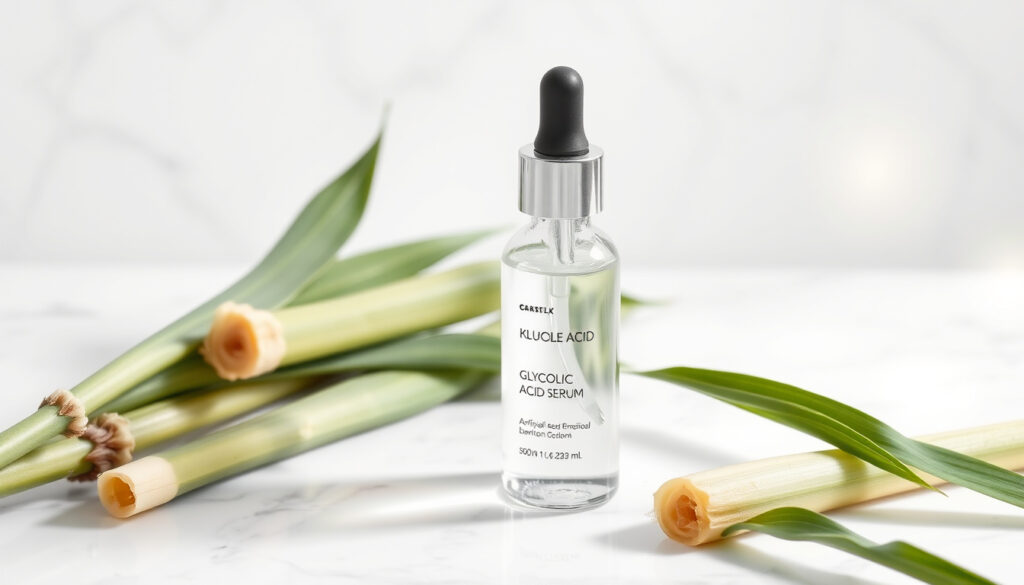
The Ordinary Glycolic Acid 7% Exfoliating Toner has become one of the most talked-about products in affordable skincare. Originally marketed as the Glycolic Acid 7% Toning Solution, this water-based AHA toner claims to deliver professional-grade exfoliation at a fraction of the cost of department store alternatives. But what exactly makes this formula work, and who should incorporate it into their routine? This guide breaks down everything from ingredient science to practical application timelines.
What Is Ordinary Glycolic Acid?
At its core, the Ordinary Glycolic Acid 7% Exfoliating Toner is an alpha-hydroxy acid (AHA) treatment designed to remove dead skin cells from the surface layer of skin. The formula centers on 7% glycolic acid as its primary active ingredient, positioned within a pH range of 3.50 to 3.70 for optimal efficacy. This specific acidity level allows the acid to penetrate the skin barrier effectively while maintaining tolerability for most skin types.
The toner distinguishes itself through the inclusion of Tasmanian pepperberry (Tasmannia Lanceolata Fruit/Leaf Extract), a botanical extract that helps mitigate irritation commonly associated with acid exfoliation. Additional supporting ingredients include aloe vera leaf water for soothing, panax ginseng root extract for antioxidant protection, and a blend of skin-identical humectants including glycerin, urea, and sodium PCA to maintain moisture balance during the exfoliation process.
The formulation avoids common irritants including fragrance, alcohol, parabens, sulfates, and mineral oil. The product is vegan and cruelty-free, aligning with The Ordinary’s parent company Deciem’s ethical standards.
- Product Type: Water-based AHA exfoliating toner
- Primary Active: 7% Glycolic Acid
- Target Concerns: Dullness, uneven texture, congested pores
- Size: 240ml (8 fl oz)
What Are the Ingredients in Ordinary Glycolic Acid?
The full ingredient list reads like a textbook case of functional skincare formulation. Water (Aqua) serves as the base, followed by glycolic acid at the declared 7% concentration. Rosa Damascena Flower Water and Centaurea Cyanus Flower Water contribute mild astringent properties, while Aloe Barbadensis Leaf Water provides calming benefits.
The formula includes an extensive blend of amino acids (aspartic acid, alanine, glycine, serine, valine, isoleucine, proline, threonine, histidine, phenylalanine, glutamic acid, and arginine) that support skin barrier function. Natural moisturizing factors including fructose, glucose, sucrose, and urea help prevent over-drying during exfoliation. Triethanolamine and aminomethyl propanol act as pH buffers to maintain the target acidity range, while polysorbate 20 and gellan gum ensure consistent texture and stability.
| Attribute | Detail |
|---|---|
| Glycolic Acid Concentration | 7% |
| pH Level | 3.50–3.70 |
| Size | 240ml / 8 fl oz |
| Vegan | Yes |
| Cruelty-Free | Yes |
| Fragrance-Free | Yes |
| Alcohol-Free | Yes |
How Do You Use Ordinary Glycolic Acid?
Application protocol for the Ordinary Glycolic Acid toner follows a straightforward but disciplined approach. The manufacturer recommends use exclusively in the evening routine, as AHAs increase sun sensitivity significantly. After cleansing, users should saturate a cotton pad with the formula and sweep it across the face and neck, carefully avoiding the eye contour area.
Can You Use Ordinary Glycolic Acid Every Day?
Frequency depends heavily on skin tolerance and experience level. Beginners should start with no more than twice weekly, monitoring for signs of irritation such as redness, stinging, or peeling. Those with resilient skin may gradually increase to three or four applications per week, but daily use is generally not recommended unless under guidance from a dermatologist.
Before applying to the full face, apply a small amount to the inner arm or behind the ear. Wait 24 hours and check for adverse reactions. This step is particularly important for those with sensitive skin or conditions like rosacea.
How Often Should You Use Ordinary Glycolic Acid?
The answer varies by individual, but most users follow a progression model. Initial weeks involve twice-weekly application to build tolerance. The second month may allow for three applications weekly if no adverse reactions occur. Many experienced users maintain a schedule of three to four times per week indefinitely, reserving the other evenings for gentler products.
What Are the Benefits of Ordinary Glycolic Acid?
The benefits cluster around three primary outcomes: enhanced radiance, improved texture, and reduced signs of aging. Users report that dead skin cell accumulation causes the skin to appear dull and lifeless; glycolic acid addresses this by dissolving the bonds between dead cells and fresh skin, revealing the brighter layer beneath.
- Exfoliates dead skin cells for clearer, more radiant complexion
- Improves skin texture and reduces textural irregularities
- Fades dark spots and addresses uneven skin tone
- Minimizes the appearance of fine lines and signs of aging
- Helps unblock congested pores and reduce blackheads
- Tasmanian pepperberry reduces irritation during exfoliation
- Enhances luminosity with consistent use over time
Is Ordinary Glycolic Acid Good for Beginners?
The 7% concentration places this product in the moderate range for home use, making it accessible to beginners who approach it cautiously. The inclusion of Tasmanian pepperberry represents a thoughtful design choice that helps buffer the potentially harsh effects of acid on newcomer skin. However, those with extremely sensitive, reactive, or compromised skin should proceed with extra care or consult a professional before use.
This product increases sun sensitivity. Users must apply broad-spectrum sunscreen (SPF 30 or higher) during daytime hours. This applies even on cloudy days and for at least one week after discontinuing use.
What Are the Side Effects of Ordinary Glycolic Acid?
The most commonly reported side effects center on irritation, particularly during the initial adjustment period. New users may experience redness, a tingling or stinging sensation, and mild peeling as the skin adapts to regular exfoliation. These symptoms typically diminish after the first two to four weeks of consistent use.
Who Should Avoid Ordinary Glycolic Acid?
Certain individuals should exercise particular caution or avoid this product entirely. Those with conditions such as rosacea, eczema, or severely sensitive skin may find that acid exfoliation triggers flare-ups. Anyone with open wounds, active breakouts requiring topical medications, or recent cosmetic procedures should wait until their skin has fully healed. Pregnant individuals should consult their healthcare provider before using AHAs, as elevated vitamin A derivatives and certain acid treatments may not be recommended during pregnancy.
The product should never come into contact with the eyes, and application should cease if persistent burning, swelling, or crusting occurs. In such cases, thorough rinsing and consultation with a dermatologist is advised.
When Can You Expect to See Results?
Visible improvements in skin radiance can appear within one to two weeks of consistent use, though individual timelines vary based on skin type, current condition, and frequency of application. More significant changes in texture, hyperpigmentation, and fine lines typically require four to eight weeks of regular use.
- Week 1–2: Begin with 2–3 applications per week. Monitor for irritation. Skin may feel smoother immediately after use.
- Week 3–4: If tolerated well, increase to 4 applications per week. Early radiance improvements may become noticeable.
- Month 2–3: Continue regular schedule. Texture improvements accumulate. Dark spots begin to fade.
- Ongoing: Maintain routine with sunscreen protection. Results compound with continued use.
For those considering pairing this toner with other actives, layering niacinamide serums post-application can help calm any residual irritation while addressing pore visibility and uneven tone. The formula works well with the brand’s Squalane Cleanser for a complete evening routine.
What Is Known and What Remains Unclear
Extensive user feedback and ingredient analysis confirm several key points about this product. The 7% glycolic acid concentration and pH of 3.6 represent an effective formulation for home exfoliation. The addition of Tasmanian pepperberry genuinely helps reduce irritation compared to formulas lacking such soothing agents. The product is vegan, cruelty-free, and avoids common irritants.
| Established Information | Information That Remains Unclear |
|---|---|
| Proven exfoliant for dull skin with established mechanism of action | Long-term effects beyond one year of continuous use |
| Official product from Deciem/The Ordinary with transparent ingredient list | Specific impact on different skin tones for hyperpigmentation |
| Positive user reviews across multiple retail platforms averaging 4.3/5 stars | Precise effects on skin with conditions like rosacea (requires individual testing) |
| pH optimized for AHA efficacy (3.50–3.70) | Exact shelf life after opening in varying climate conditions |
Individual results vary considerably based on skin type, underlying conditions, and consistent adherence to application guidelines. Users with darker skin tones may experience different outcomes for hyperpigmentation compared to lighter skin, though comprehensive comparative data remains limited in available research.
The Science Behind Alpha-Hydroxy Acid Exfoliation
Glycolic acid belongs to a family of compounds called alpha-hydroxy acids, which work by breaking down the bonds between dead skin cells in the outermost layer of the epidermis. Derived historically from sugar cane, modern glycolic acid in skincare formulations is typically synthesized for consistency and purity. Its small molecular structure allows it to penetrate relatively deeper than other AHAs like lactic acid, making it particularly effective for textural concerns.
The acidity of the formula matters significantly. At pH levels above 4.0, AHAs become considerably less effective as the acid exists primarily in its neutral form rather than the active ionic state that penetrates skin. The Ordinary’s stated pH range of 3.50–3.70 falls within the effective zone, though independent testing has confirmed results around 3.6 in various analyses.
Research from sources like PubMed studies on glycolic acid skincare supports the mechanism of action, though individual outcomes depend on formulation, concentration, frequency, and skin condition at baseline.
Where to Buy and What to Expect at Checkout
The Ordinary Glycolic Acid 7% Exfoliating Toner is available through multiple authorized retailers including the official Deciem website, Ulta, Sephora, and other major beauty retailers. Price points typically range from $8 to $10 USD, placing the product firmly in the accessible skincare category. The 240ml bottle represents a generous size that typically lasts three to four months with regular use.
Packaging consists of a semi-opaque bottle with a screw-top lid. No special storage requirements exist beyond keeping the product in a cool, dry place away from direct sunlight. Unopened bottles generally maintain quality for approximately three years based on standard cosmetic stability expectations.
For those exploring other high-end accessories and their authenticity considerations, detailed guides on Louis Vuitton Belt prices and buying authenticity and Billy J Boutique reviews and shipping legitimacy offer comparable investigative approaches to product evaluation.
Final Thoughts and Next Steps
The Ordinary Glycolic Acid 7% Exfoliating Toner delivers professional-grade exfoliation in an accessible format. Its transparent ingredient list, reasonable price point, and thoughtful inclusion of soothing agents like Tasmanian pepperberry distinguish it from more basic acid toners on the market. Success with this product hinges on patience, consistent application, and diligent sun protection.
For those ready to incorporate the formula into their routine, the path forward involves patch testing, slow frequency increases, and honest assessment of skin response over the first month. The evidence supports expecting visible improvements in radiance and texture within weeks, with more significant changes in tone and aging signs emerging over the following months.
Frequently Asked Questions
Can I use Ordinary Glycolic Acid if I have sensitive skin?
Sensitive skin individuals should proceed with caution. Perform a patch test first and consider starting with once weekly rather than the typical two to three times recommended for normal skin types.
Should I use this toner in the morning or evening?
Evening application is strongly recommended. AHAs increase sun sensitivity, so using them at night minimizes daytime UV exposure while your skin recovers.
Can I layer Ordinary Glycolic Acid with vitamin C?
Combining multiple acids or strong actives can cause irritation. If using vitamin C, apply it in the morning and reserve glycolic acid for evening use on alternate nights.
How long does a 240ml bottle last?
With typical use (three to four applications per week on a cotton pad), most users find a bottle lasts approximately three to four months.
Can pregnant or nursing individuals use this product?
Pregnant and nursing individuals should consult their healthcare provider before using AHA products, as recommendations vary based on individual circumstances and existing research.
Is Ordinary Glycolic Acid tested on animals?
The product is cruelty-free and vegan, containing no animal-derived ingredients and not tested on animals by the manufacturer or their suppliers.
What should I do if my skin peels excessively?
Excessive peeling indicates over-exfoliation. Reduce frequency immediately, focus on hydration, and discontinue use if symptoms persist. Resume with longer intervals between applications once skin normalizes.
Related stories


Liam O'Brien covers Australian politics and public affairs for Coast Monitor.