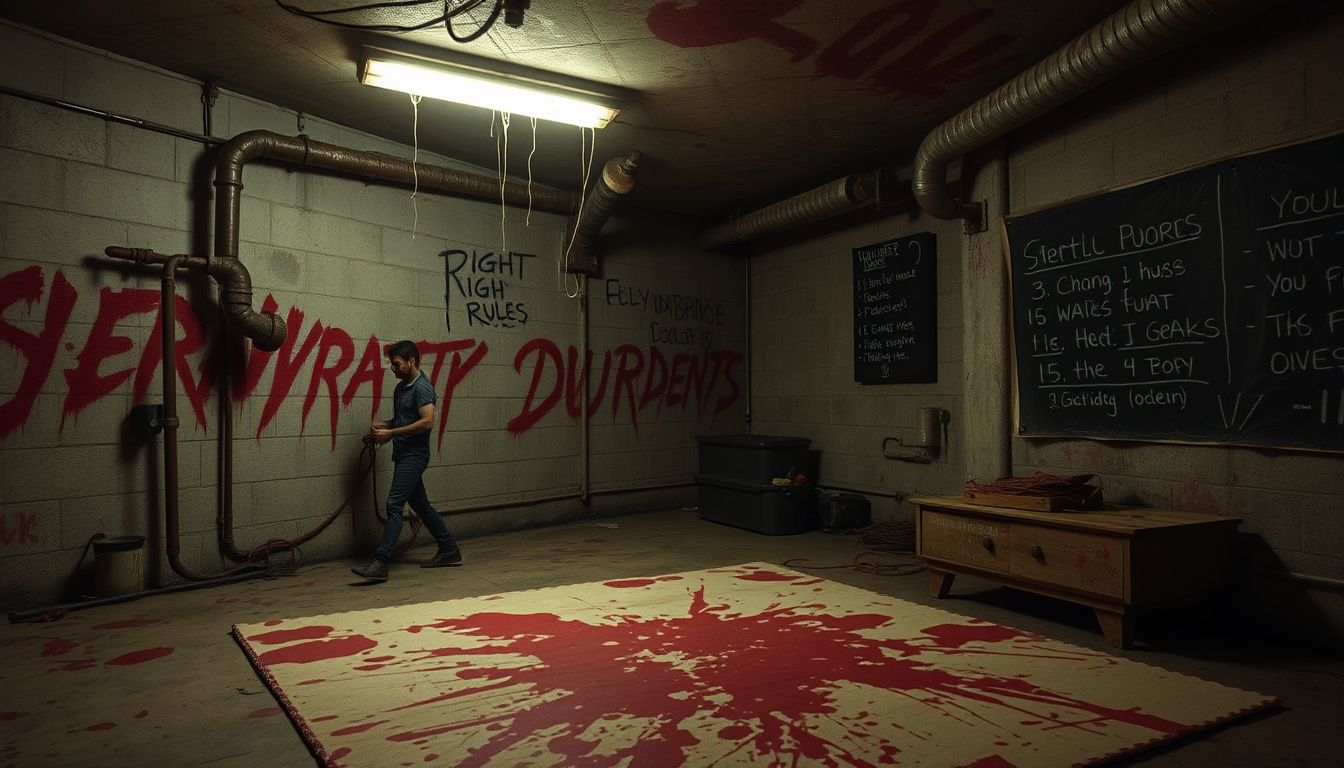
Brad Pitt’s portrayal of Tyler Durden in David Fincher’s 1999 film Fight Club remains one of cinema’s most memorable performances. The role demanded intense physical transformation, fight preparation, and the delivery of iconic monologues that continue to resonate with audiences decades later. From the character’s anti-consumerist philosophy to his mysterious origins, Pitt’s work as Tyler Durden redefined what it meant to play a complex antagonist in modern filmmaking.
The character exists as a charismatic, anarchistic alter ego of the unnamed Narrator, portrayed by Edward Norton. Tyler embodies rebellion against societal norms through soap salesmanship, underground fights, and the enigmatic Project Mayhem. The film’s major twist—revealing Tyler as the Narrator’s dissociative identity—adds layers of psychological complexity that have sparked endless discussion among film scholars and fans alike.
This comprehensive exploration covers Pitt’s preparation for the role, the memorable lines that became cultural touchstones, the visual transformation that influenced fashion, and the behind-the-scenes realities of bringing this controversial character to life.
Who Does Brad Pitt Play in Fight Club?
Brad Pitt plays Tyler Durden, a character who initially appears as the Narrator’s charismatic stranger-meets-mentor figure. The two meet on a flight, where Tyler delivers his sharp observation about the Narrator’s “kind of sick desperation in your laugh.” This chance encounter sets in motion a downward spiral that leads to shared living quarters, the founding of Fight Club, and ultimately, the revelation of Tyler’s true nature.
Tyler operates as the Narrator’s idealized free self, representing everything he believes he lacks. As Tyler himself explains: “I look like you want to look. I f–k like you want to f–k. I am smart, capable, and most importantly, I’m free in all the ways that you are not.” This philosophy drives the character’s actions throughout the film, from founding underground fight circles to orchestrating increasingly dangerous acts of chaos.
Key Insights About Brad Pitt’s Character
- Tyler Durden represents the Narrator’s projection of suppressed desires and fantasies
- The character lives as a transient squatter who steals cars and works random night jobs
- Tyler describes himself as a “Nietzschean Robin Hood” challenging modern American values
- The soap business connects to Project Mayhem’s larger anarchist objectives
- Critics often compare Tyler to an “American psycho” figure challenging consumer culture
- The character’s influence extends beyond film into fashion, philosophy, and popular culture
| Fact | Details |
|---|---|
| Release Year | 1999 |
| Director | David Fincher |
| Co-star | Edward Norton (Narrator) |
| Box Office | $101 million worldwide |
| Runtime | 139 minutes |
| Other Cast | Helena Bonham Carter, Jared Leto, Meat Loaf |
Iconic Brad Pitt Quotes from Fight Club
Tyler Durden’s dialogue has achieved near-proverbial status in popular culture. These lines go beyond simple movie quotes—they encapsulate philosophical positions on consumerism, identity, and personal liberation. According to sources, the original novel by Chuck Palahniuk inspired many of these lines, with several directly retained from the source material, including the memorable “Fuck Martha Stewart… it’s all going down.”
The Rules of Fight Club
Perhaps no other lines from the film have achieved greater recognition than the Rules of Fight Club. Pitt delivers these with commanding authority, establishing the secret society’s code of silence:
“The first rule of Fight Club is: you do not talk about Fight Club. The second rule of Fight Club is: you do not talk about Fight Club.”
Additional rules established throughout the film include the third rule (stop when someone taps out), fourth rule (two guys per fight), and fifth rule (one fight at a time). These guidelines create the structure that members must follow, emphasizing discipline within chaos.
Anti-Consumerist Philosophy
Many of Tyler’s most quotable moments attack modern consumer culture directly. These lines resonate because they articulate frustrations that many viewers feel but cannot express:
“The things you own end up owning you.”
“You are not your job. You’re not how much money you have in the bank. You’re not the car you drive. You’re not the contents of your wallet. You’re not your f–kin’ khakis. You’re the all-singing, all-dancing crap of the world.”
These anti-consumerist lines have been cited in academic discussions about film as social commentary and remain frequently referenced in discussions about materialism and identity in contemporary society.
Embracing Chaos and Freedom
Tyler advocates for liberation through loss and uncertainty. His philosophy suggests that freedom requires letting go of what society tells us we need:
“It’s only after we’ve lost everything that we’re free to do anything.”
“Stop trying to control everything and just let go. Let go!”
Other memorable lines include “We’re the middle children of history, man,” critiquing modern men as disconnected from purpose, and “Advertising has us chasing cars and clothes; working jobs we hate, so we can buy shit we don’t need,” which articulates the film’s central critique of capitalism.
Brad Pitt’s Fight Club Haircut and Transformation
Pitt underwent a dramatic visual transformation for the role, completely departing from his polished leading-man image. The Tyler Durden haircut features a slicked-back style with short undercuts and faded sides, creating a gritty aesthetic that symbolized Tyler’s rejection of yuppie conformity. This look has been described as having a “mullet-like” quality with longer hair on top, contrasting sharply with Pitt’s typical clean-cut appearances.
The physical transformation extended beyond hair. Pitt adopted Tyler’s mannerisms and mindset even before filming began, according to production accounts. He lost weight and embraced the chaotic energy that the character embodied, fully committing to the method approach that director David Fincher encouraged on set.
The haircut represented Tyler’s philosophy visually: shorter, more aggressive styling communicated the character’s rejection of mainstream grooming standards and corporate identity.
This transformation influenced fashion trends and inspired countless men to request similar cuts at barbershops worldwide. The Tyler Durden look became synonymous with rebellion and nonconformity, proving that a character’s appearance could become as iconic as their dialogue.
Physical Conditioning
Beyond styling, Pitt underwent significant physical training to perform the fight sequences authentically. His physique changed to reflect Tyler’s active, unpredictable lifestyle rather than the Narrator’s sedentary existence. The muscles gained were functional rather than purely aesthetic, designed to make the bare-knuckle fighting scenes believable.
Behind-the-Scenes: Brad Pitt’s Fight Club Preparation and Injuries
The role of Tyler Durden required extraordinary dedication from Brad Pitt. According to production notes and interviews, he trained extensively with fight coordinators to prepare for the film’s visceral brawling sequences. This preparation was essential for making the underground fights feel genuine and raw rather than choreographed Hollywood spectacle.
Real Injuries on Set
Perhaps surprisingly, many of the injuries visible in the film were actual injuries sustained by Pitt during production. He suffered a herniated disc in his neck from the rigorous fight choreography, an injury that occurred during filming rather than being added in post-production. Additionally, he received hand gashes requiring stitches from the intense bare-knuckle fighting scenes.
In one particularly memorable unscripted moment, Pitt broke his hand while throwing a punch. Rather than stopping production, this injury was incorporated into the scene, adding to the authenticity that Fincher demanded. Both Pitt and Norton improvised certain fight pain reactions to enhance realism, with Fincher encouraging this improvisational approach.
The soap-making scenes involved real lye, which caused chemical burns during filming. Safety precautions were taken, but the authenticity of the materials contributed to genuine reactions from the actors.
Method Acting Approach
Fincher pushed his cast toward method acting, with Pitt adopting Tyler’s mannerisms and psychology even off-camera. He described the preparation as grueling, involving extensive choreography for the club scenes while also embodying Tyler’s philosophy of using violence for dignity and masculine awakening. Pitt portrayed Tyler as a “male-consciousness raiser,” with the fights serving as cathartic releases for modern men feeling disconnected from their primal selves.
The intensity extended to the car crash scene, where Pitt delivered his “let go” monologue with genuine adrenaline. Production accounts confirm that he was genuinely amped for these takes, creating the raw emotional quality that made the scene memorable.
Why Does Brad Pitt’s Character Make Soap?
Tyler works as a soap salesman, creating his products using lye and human fat stolen from liposuction clinics. This unusual occupation connects directly to Project Mayhem’s larger scheme, as the same facilities used for soap production eventually manufacture explosives for the group’s increasingly dangerous operations.
The soap business represents Tyler’s embrace of manual labor and creation from discarded materials. Rather than participating in legitimate commerce, Tyler transforms medical waste into profitable products, embodying his philosophy of finding freedom through unconventional means.
Tyler Durden Character Analysis Featuring Brad Pitt
Tyler Durden functions as a “Molotov cocktail” to modern life’s facade, as critics have noted. His anarchistic philosophy challenges viewers to question the assumptions underlying contemporary civilization, particularly the importance placed on material possessions. Through Pitt’s performance, Tyler becomes simultaneously repulsive and magnetic, forcing audiences to confront uncomfortable truths about consumer culture.
The Narrator’s Idealized Self
Film scholars consistently note that Tyler represents the Narrator’s projection of suppressed desires. The Narrator’s IKEA-obsessed existence—where “his identity consists of what furniture to buy”—creates a void that Tyler fills with chaos and purpose. The underground fights that Tyler organizes offer participants something mainstream society cannot: raw physical confrontation where “nothing was solved, but nothing mattered. We all felt saved.”
Critics have identified Tyler as a critique of emasculated modern men, described in the film as “middle children of history” disconnected from purpose and primal identity.
Pushing Evolution Over Perfection
Tyler’s philosophy emphasizes continuous evolution rather than stagnant perfection. He encourages followers to “stop being perfect” and instead embrace growth through struggle. This message resonated strongly when the film released in 1999, and it continues to find new audiences who appreciate its rejection of artificial standards and manufactured desires.
The character’s self-liberation through pain and loss challenges viewers to consider what they might gain by abandoning their attachment to comfort and conformity. Pitt’s charismatic delivery makes this philosophy compelling despite—or perhaps because of—its extreme nature.
Key Moments in Fight Club Production
Understanding the timeline of Fight Club’s creation provides context for appreciating Pitt’s performance and the film’s cultural significance. From novel publication to cult status, each phase contributed to the movie’s enduring legacy.
- 1996: Chuck Palahniuk publishes the original novel that would become Fight Club
- 1998: Principal photography begins under David Fincher’s direction
- 1999: Fight Club premieres in theaters worldwide
- 1999-2000: Initial box office underperforms expectations despite strong reviews
- 2000+: Home video release sparks cult following and cultural resurgence
- Present: Film achieves evergreen status as a cultural touchstone for anti-consumerism
The production’s collaborative atmosphere between Fincher and his cast produced the unique blend of philosophical dialogue and visceral action that defines the film. For those interested in comparing Fincher’s work across genres, The Worst Person in the World – Plot, Cast and Reviews explores another acclaimed director’s approach to character-driven storytelling.
What’s Real and What’s Not in Fight Club
Given the film’s complex narrative involving hallucinated characters and unreliable narration, viewers often wonder which elements reflect reality within the film’s world and which exist only as the Narrator’s imagination. The distinction matters for understanding Tyler’s role and significance.
| Established Information | Information That Remains Unclear |
|---|---|
| Tyler Durden is the Narrator’s hallucinated split personality | Whether certain supporting characters exist independently of the Narrator |
| The split personality stems from insomnia and dissatisfaction | Timeline of when Tyler first appears to the Narrator |
| The Narrator “wakes up” realizing he IS Tyler | Whether scenes with Marla Singer are entirely real or partially imagined |
| Project Mayhem’s activities are products of the Narrator’s planning | Exact motivation behind certain specific Project Mayhem actions |
| The climax involves the Narrator confronting his own identity | Whether Tyler maintains any independent existence after the climax |
Rumors have circulated about real underground fight clubs inspired by the film, though these remain largely unverified and likely exaggerated. The film’s narrative framing makes it difficult to determine what might have inspired real-world imitations versus purely fictional representations.
Cultural Impact and Legacy
Fight Club’s influence extends far beyond its initial theatrical run. The film has been analyzed in academic contexts as a critique of late capitalism and masculinity in crisis. Its dialogue has entered common parlance, with phrases like “first rule of Fight Club” used even by people who have never seen the film.
The visual style associated with Tyler Durden—particularly the haircut and general aesthetic—has influenced fashion and personal grooming trends for decades. Fan communities continue to discuss and debate the film’s themes, plot twists, and philosophical implications across online forums and social media platforms.
For those interested in exploring animated films with equally memorable characters, How to Train Your Dragon 2 – Plot, Cast and Streaming Guide offers another example of voice acting excellence in contemporary animation.
Where to Find More Information
Several resources provide additional context for understanding Brad Pitt’s role and Fight Club’s production history. These sources offer deeper dives into specific aspects of the film that space constraints here cannot fully explore.
- Wikipedia’s comprehensive Fight Club article covers production details and critical reception
- IMDb’s cast and crew database includes behind-the-scenes information and user ratings
- Rotten Tomatoes aggregate reviews compile critical perspectives from various publications
- Collider’s ranked quotes analysis examines the film’s most memorable dialogue
- Parade’s quote collection features context for key scenes
- Wikiquote’s Fight Club page compiles verified dialogue from the film
The Lasting Legacy of Brad Pitt’s Tyler Durden
Brad Pitt’s Tyler Durden remains a defining performance in a career marked by diverse roles. The character’s blend of philosophy, charisma, and menace created a template for complex antagonists that continues influencing filmmaking today. The performance succeeded not merely through Pitt’s star power but through his genuine commitment to embodying a character whose appeal lies precisely in his rejection of traditional leading-man conventions.
Fight Club evolved from an initial box office disappointment into a cultural phenomenon, with each viewing revealing new layers in Pitt’s performance. Whether one interprets Tyler as a cautionary figure, an aspirational rebel, or simply a fascinating fictional creation, his impact on film culture remains undeniable. The movie demonstrated that audiences were ready for morally ambiguous storytelling that challenged rather than affirmed their assumptions about identity and consumption.
Frequently Asked Questions About Brad Pitt in Fight Club
What is the first rule of Fight Club?
The first rule of Fight Club is: you do not talk about Fight Club. The second rule is identical—you do not talk about Fight Club. These rules establish the secret society’s code of silence that defines the organization.
Did Brad Pitt really get injured in Fight Club?
Yes. Brad Pitt sustained real injuries during filming, including a herniated disc in his neck from fight choreography and hand gashes requiring stitches. He also broke his hand during an unscripted punch that was incorporated into the scene.
Is Tyler Durden a real person in Fight Club?
No. The major twist reveals Tyler Durden as the Narrator’s hallucinated split personality, born from insomnia and dissatisfaction. The Narrator ultimately realizes he IS Tyler, making the character a manifestation of the Narrator’s psyche.
Why does Brad Pitt’s character make soap in Fight Club?
Tyler works as a soap salesman as part of his transient, anti-establishment lifestyle. The soap is made from human fat stolen from liposuction clinics and connects to Project Mayhem’s explosives production operation.
What is Brad Pitt’s haircut in Fight Club called?
Brad Pitt’s Tyler Durden haircut features a slicked-back style with short undercuts and faded sides. The look has been described as having a mullet-like quality with longer hair on top, creating a gritty aesthetic that symbolized Tyler’s rejection of mainstream conformity.
How did Brad Pitt prepare for the Tyler Durden role?
Pitt underwent extensive fight choreography training, lost weight, and adopted Tyler’s mannerisms before filming. Director David Fincher encouraged method acting, with Pitt fully committing to embodying Tyler’s chaotic energy and anti-consumerist philosophy.
What is the significance of the Fight Club ending?
The ending reveals that Tyler Durden was never a separate person but rather the Narrator’s dissociative identity. After the revelation, the Narrator must confront his own fragmentation, culminating in a climactic scene where Tyler apparently dies.
Why has Fight Club become a cult classic?
Fight Club gained cult status through home video releases and word-of-mouth appreciation for its themes of consumerism, masculinity, and identity. The film’s complex narrative and quotable dialogue created ongoing discussion among viewers who connected with its critique of modern society.

Rachel Bennett leads fact-checking, source verification and corrections at Coast Monitor.